Mavic Urban Helmets: Visibility, Comfort, and Protection for Everyday Use
An urban helmet doesn’t have the same requirements as a road bike helmet. In the city, the unexpected is constant: intersections, rain, variable visibility, and frequent stops, whether on a city bike or an e-bike.
The criteria selected by Mavic’s experts are simple: protection suited to the use, impeccable stability on the head, and a strong emphasis on visibility and everyday comfort, while also placing great importance on the helmet’s design.
No product found, try removing filters.
Built-in visibility: CommuterLight and reflective elements
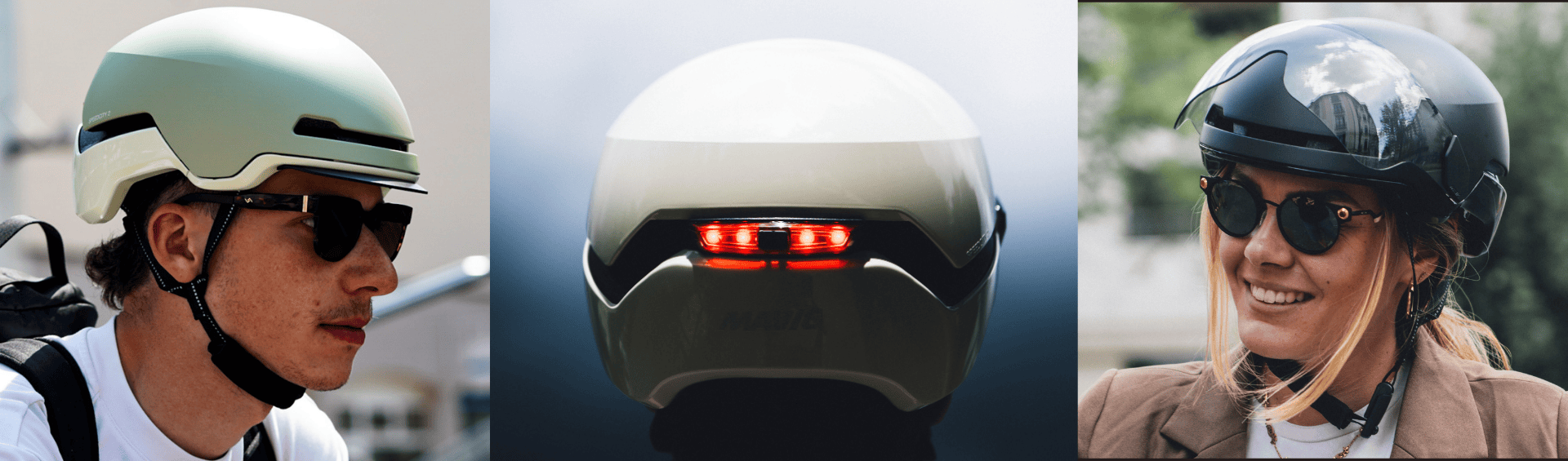
In traffic, the helmet is a high-profile item, making it highly visible. On several urban models, we integrate a removable, USB-rechargeable CommuterLight with multiple lighting modes, complemented by reflective elements.
The main goal: to be more easily spotted both day and night.
Protection tailored to the urban pace
Urban cycling habits have evolved, particularly with the rise of e-bikes. Some models, such as the Speedcity 2, feature NTA certification, which aims for enhanced protection and broader head coverage, designed for impacts at higher speeds. This is a factor to consider if your rides are fast-paced, if you ride an e-bike, or if you frequently navigate dense traffic.
Everyday comfort: FidLock buckle, visor, rain, and cold weather
An urban helmet is put on and taken off several times a day. A FidLock magnetic buckle makes it easy to fasten with one hand, even while wearing gloves. On Speedcity models, the visor (depending on the version) reduces glare and protects against splashes; on the Speedcity 2, we’ve added a coating and a seal to maintain a clear field of vision in bad weather. Speedcity versions also include a winter kit to keep you comfortable and warm when temperatures drop.
Fit: Stability, Ventilation, and Glasses Integration
The right helmet is one that stays put when you look back, when you accelerate, or when the road surface is rough. The Speedcity features a wraparound shape and discreet vents designed to provide ventilation while preventing water from entering. Lockstrap-style strap adjustment solutions help maintain your settings.
Choosing the Right Model: Which Mavic Helmet Is Right for You?
Crossroad: lightweight, simple, built-in visibility
For essential daily commutes: CommuterLight rechargeable, FidLock buckle, and Lockstrap straps to maintain your settings. A solid choice if you’re looking for a practical urban helmet.
Speedcity: all-season urban, modern look, visor, and rain protection
An “all-year-round” city-oriented helmet: wraparound design, discreet vents, and a visor. The design aims for a good balance between protection, ventilation, and rain protection. Winter kit included.
Speedcity 2 and Cap: for quick commutes and e-bikes, technical visor + enhanced visibility
NTA certification (suitable for speedbikes), CommuterLight and reflective elements, adjustable visor with UV protection and optimized field of vision in bad weather (except the Cap version), and FidLock buckle. Ideal if you ride fast, often, and in all weather conditions. Winter kit included.