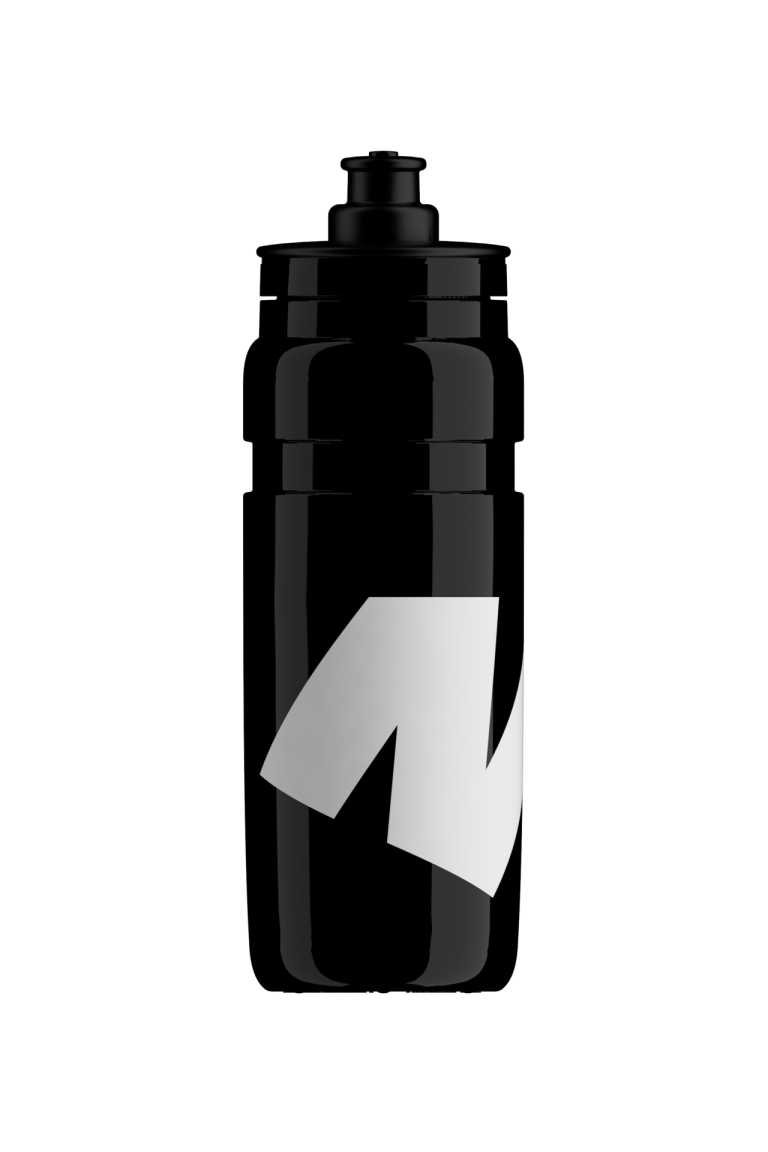
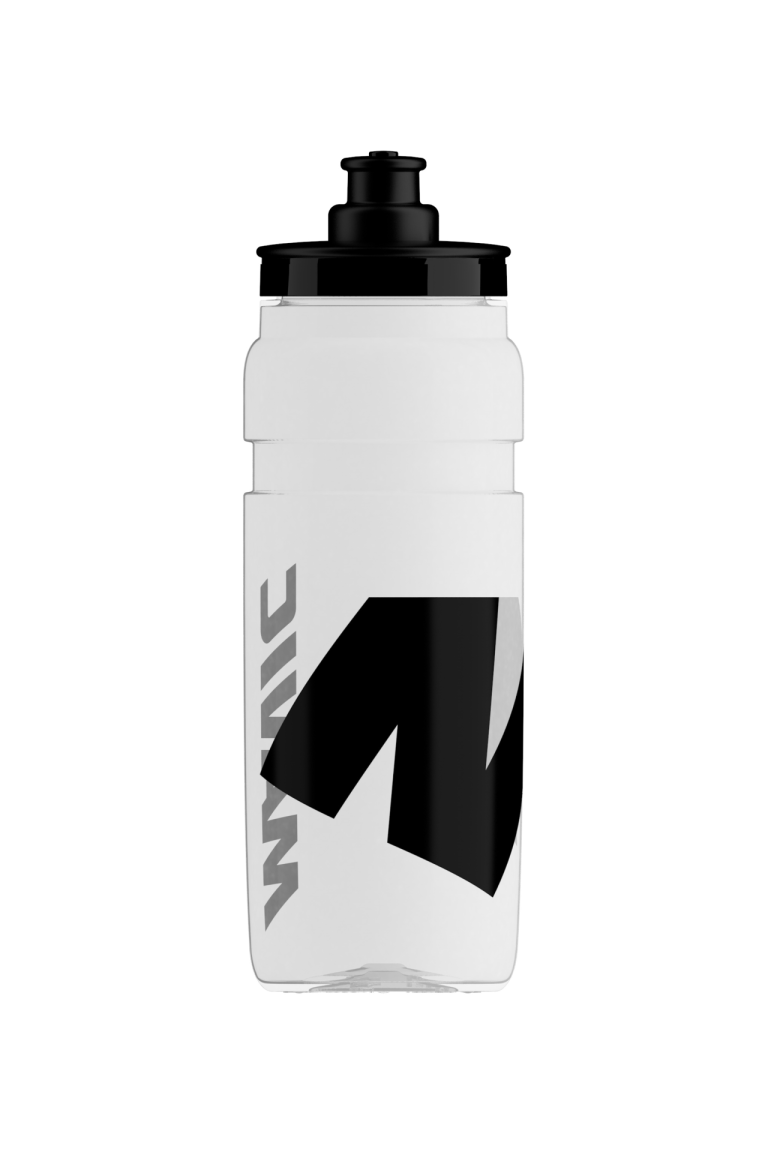
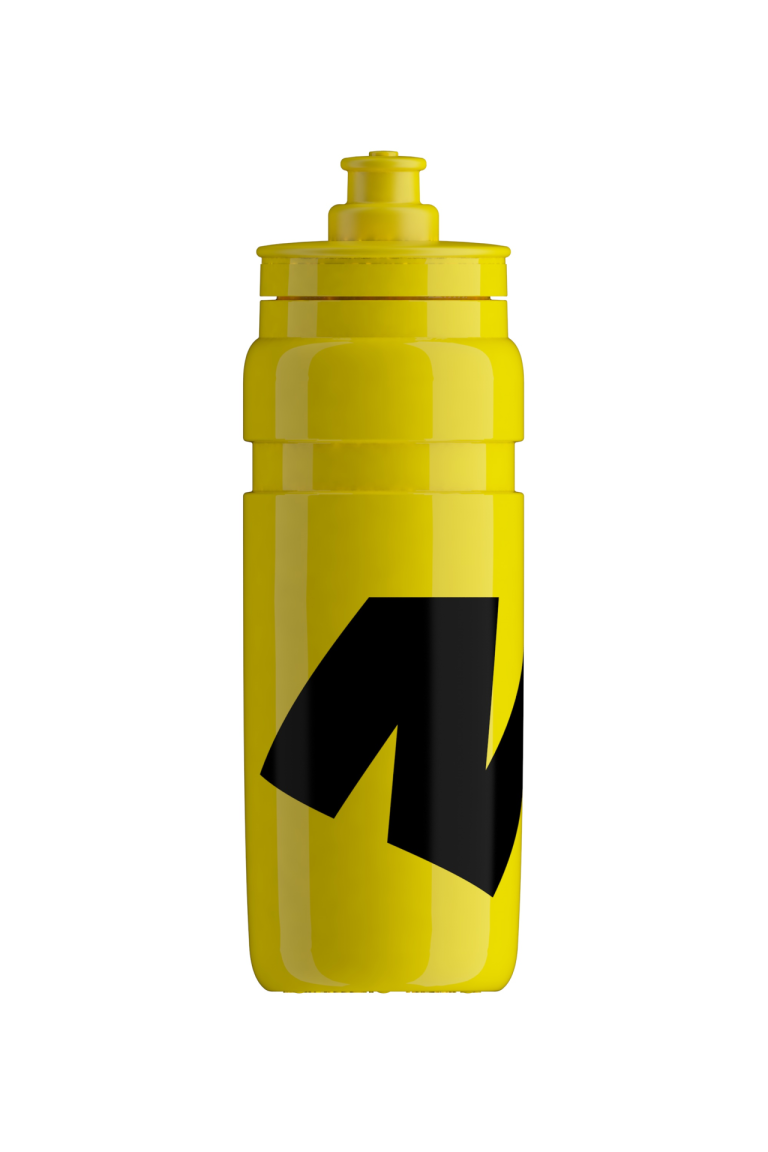
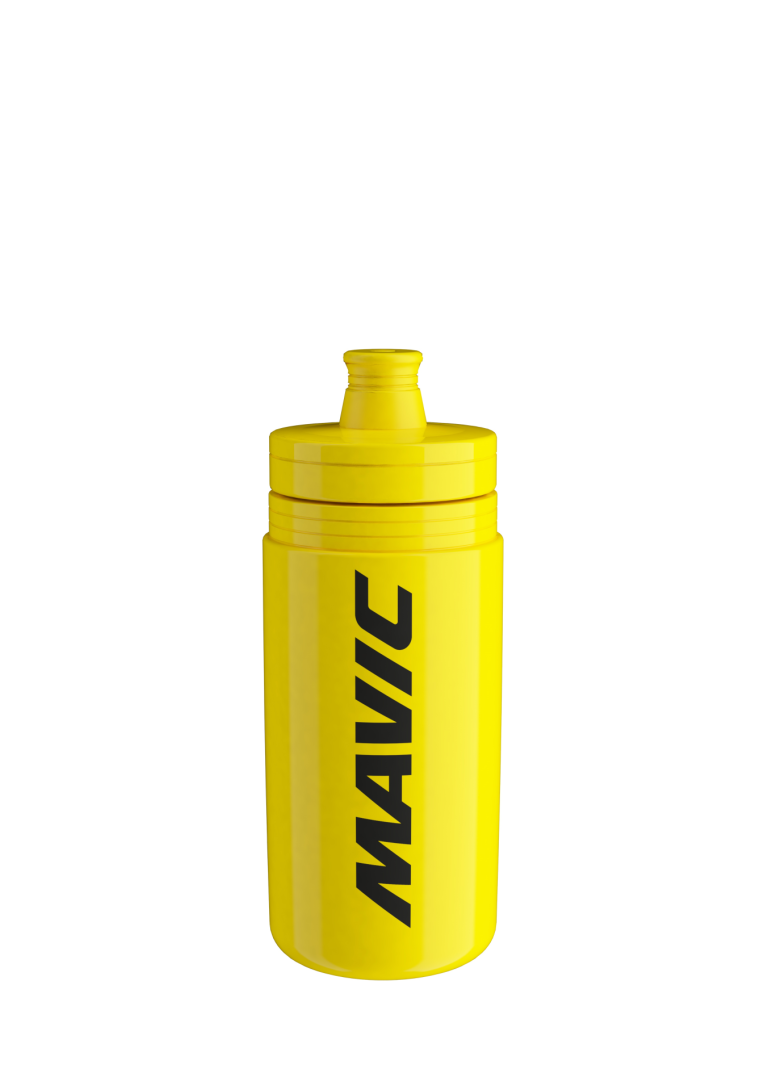
Mavic bicycle water bottles – odourless hydration

Mavic bike bottles: clean hydration, no taste or odour

A good bottle can really change your comfort on the bike: drink with one hand, no leaks, with a steady flow, and above all without that...


RecommendedSort By

Why the bottle makes all the difference

Taste & smell: a suitable material helps to keep drinks neutral and pleasant.

Flow and control: an effective valve/spout makes it easy to drink while riding, without spilling everywhere.

Safe materials: BPA-free.

The advantages of Mavic water bottles

Odourless bottle: for "purer" hydration, ride after ride

Bisphenol A (BPA) free: for more reassuring materials

Silicone spout/nipple: comfortable to hold in your mouth and easy to use while riding

Result: you drink more easily, more regularly, and stay focused on the road.

Capacity, material (BPA-free), taste/odour neutrality, teat and flow rate, leak-proofing, bottle cage compatibility, maintenance and insulated option: these are the criteria that distinguish a simple bottle from a bottle that is truly effective in real-world conditions. Here you will find answers to the most frequently asked questions to help you choose the right model for your rides.
FAQ


A good water bottle allows you to drink quickly and with one hand, without spilling, even when the intensity increases. It should also be pleasant to use on a daily basis: no odour, no unpleasant taste, and an effective teat for a steady flow. It's a "detail" that really improves comfort and regular hydration.

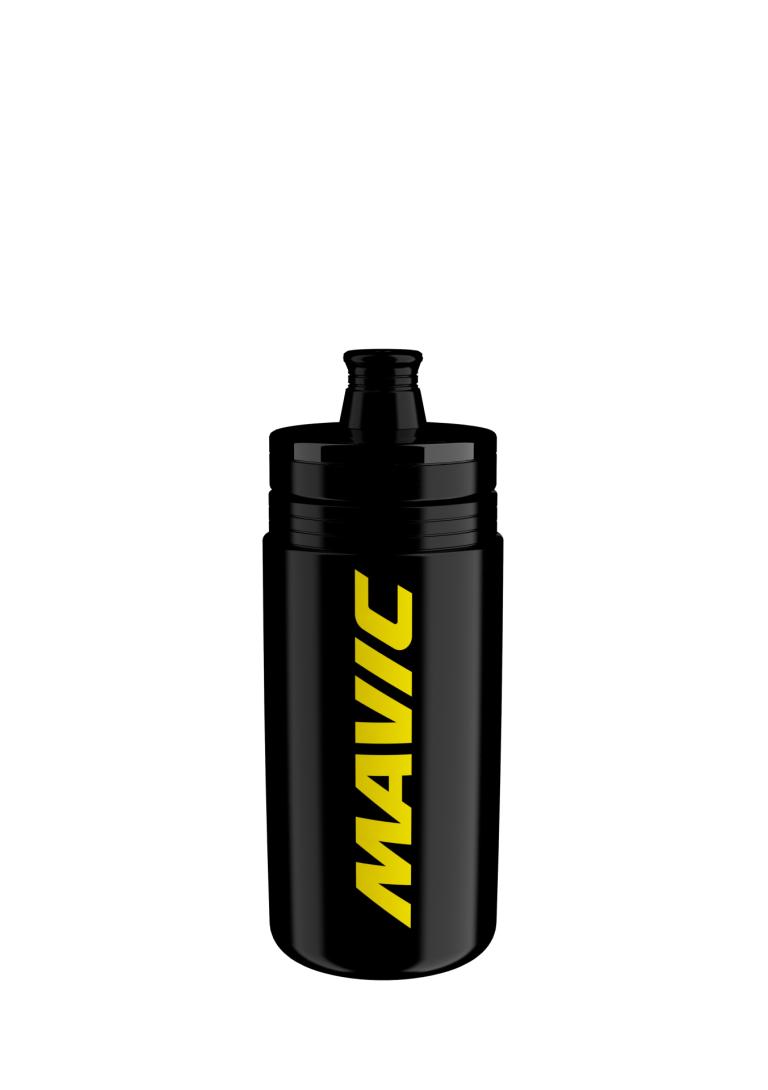
At Mavic, we prioritise clean hydration: odourless, BPA-free water bottles and silicone spouts for easy drinking while riding.


Look for a bottle that is BPA-free (now standard) and made from a material that limits the"plastic" taste/smell, and a nipple designed to open/close properly without leaking. For very hot (or cold) conditions, some insulated models improve comfort, at the cost of a little extra weight/bulk.

Rinse after each ride, especially after drinking sugary/energy drinks: hot water + washing-up liquid + bottle brush if necessary. Leave it open to dry (cap and teat) to limit bacteria and mould. A dishwasher can help if the bottle is compatible, but use sparingly over the long term.


Two water bottles quickly become the norm when the ride gets longer, the weather is hot, or you're riding at a steady pace. A good rule of thumb: 1 bottle for short rides / 2 bottles for rides longer than 1.5-2 hours, depending on the weather and how much you sweat.


Choose an odourless material, rinse thoroughly after each use and do not leave sugary drinks in the bottle for several hours. Drying the bottle completely with the lid open is the best way to prevent odours.


Yes, but maintenance must be more rigorous: rinse immediately, clean with hot water and dry thoroughly. This is the best way to prevent deposits, odours and mould (a common problem with sugary drinks).


Most road water bottles are "standard" size, but there may be differences in diameter/flexibility. If your bottle cage is very tight (or very loose), choose a bottle that can be easily removed and replaced with one hand, without forcing it.


90% of the time, it's the teat (not closed properly, dirty) or the cap (dirty seal). Clean the nipple, check the fitting and replace the valve if it is worn: a bottle must remain reliable, especially when riding out of the saddle or on rough roads.


Store it clean and completely dry, with the cap open (or the teat removed if possible), to prevent residual moisture and odours. Avoid leaving it filled for several hours/days.


As soon as it retains an odour despite thorough cleaning, shows cracks or the teat no longer closes properly. A water bottle is a consumable item: leak-proof safety and hygiene are paramount.